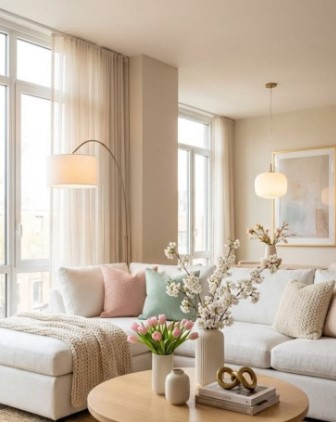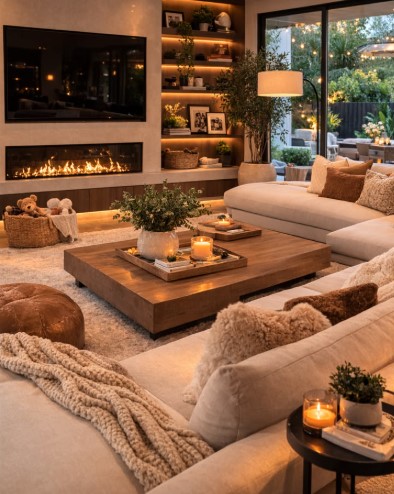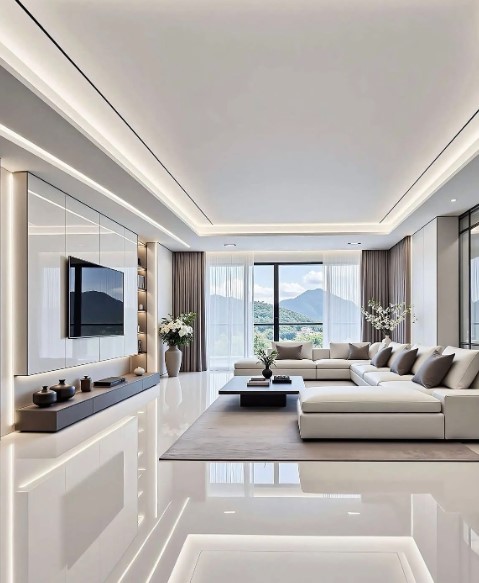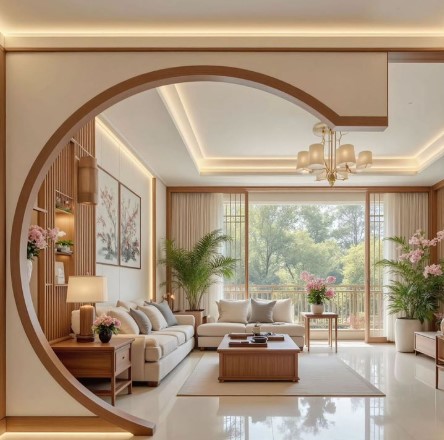
Why Furniture Scale Can Make or Break a Living Room
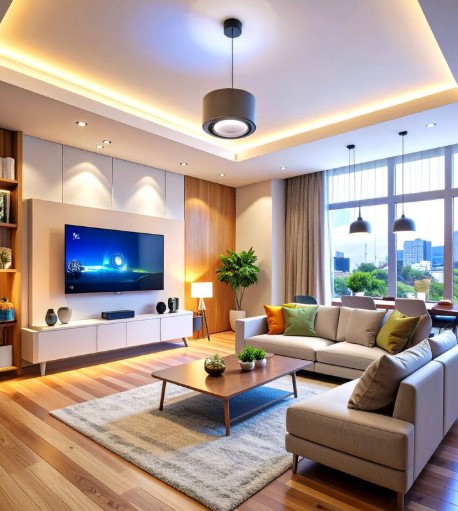
I walked into a house last week where the sofa had fully taken over. I am serious. You could not open the front door without smacking into a velvet armrest. It felt less like a living room and more like the sofa’s personal storage unit.
If you want your home to feel calm and livable, you have to understand scale. This one skill changes everything. It is the difference between a room that flows and a room that fights you every step.
The Big Mistake Everyone Makes
People fall in love with furniture in showrooms. I get it. Those spaces have twenty foot ceilings and acres of open floor. That giant sectional looks amazing there. Then it comes home and blocks every walkway like a road closure.
Once that happens, you lose. The room stops working for you. No amount of styling can fix furniture that is simply too big.
Bigger Is Not Cozier
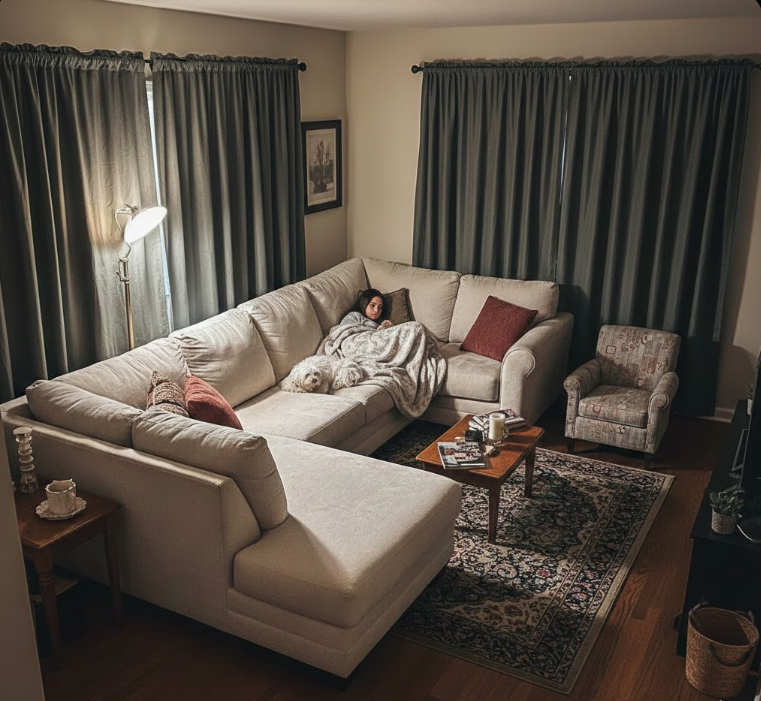
Most of my friends think bigger furniture equals more comfort. That sounds logical, but it is not true. Oversized pieces lead to bruised shins and tight corners. The room feels tense, not cozy.
A smaller couch with good proportions does the opposite. It gives the room space to breathe. The funny part is that the room actually feels bigger and more welcoming.
What Furniture Scale Really Means
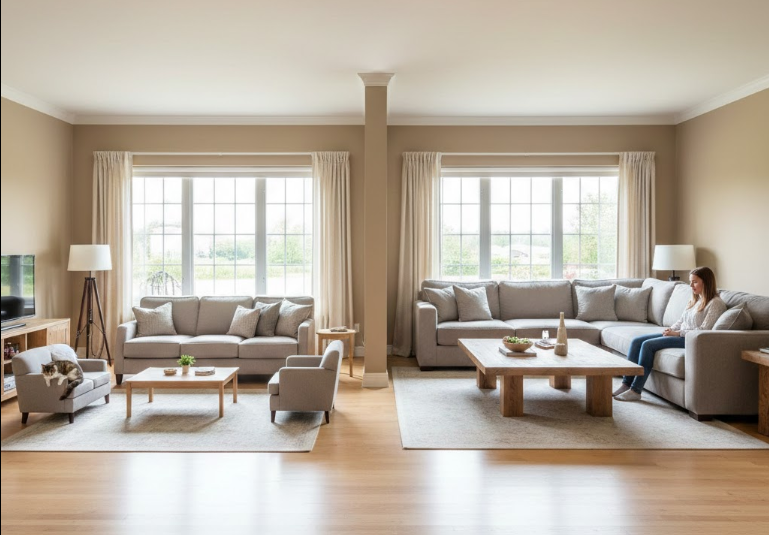
Scale is about how furniture fits the room. Proportion is about how furniture fits with other furniture. People mix these up all the time, but they matter in different ways.
If scale is wrong, the room feels off right away. If proportion is wrong, the room feels awkward, even if you cannot explain why. Both matter, but scale always comes first.
Simple Room Scale Rules I Live By
These basics save me from bad buys every time.
- High ceilings can handle tall bookcases and high back chairs
- Small rooms need furniture with legs so you can see the floor
- Large rugs help anchor furniture and calm the space
- Tiny tables next to huge sofas always look accidental
I once put a tiny side table next to a massive recliner. It looked like a toy. Now I always check arm height before buying any table.
Let Your Ceiling Decide
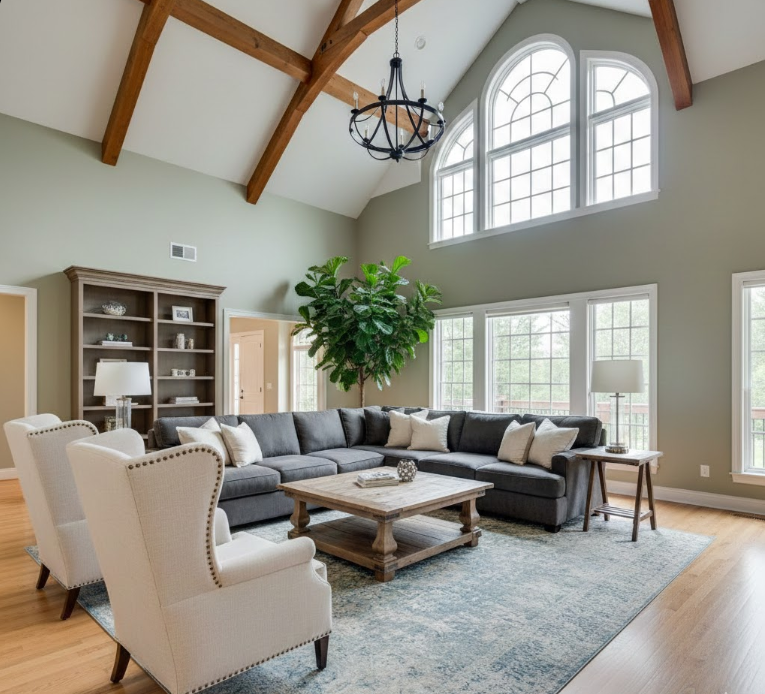
I always look up before I measure the floor. Vertical space matters just as much as square footage. Low ceilings feel even lower when tall furniture crowds them.
For standard eight foot ceilings, I stick to low profile sofas and chairs. It creates more air above your head. If you have vaulted ceilings, use them. Tall art or mirrors help fill that empty space and balance the room.
The Secret of Visual Weight
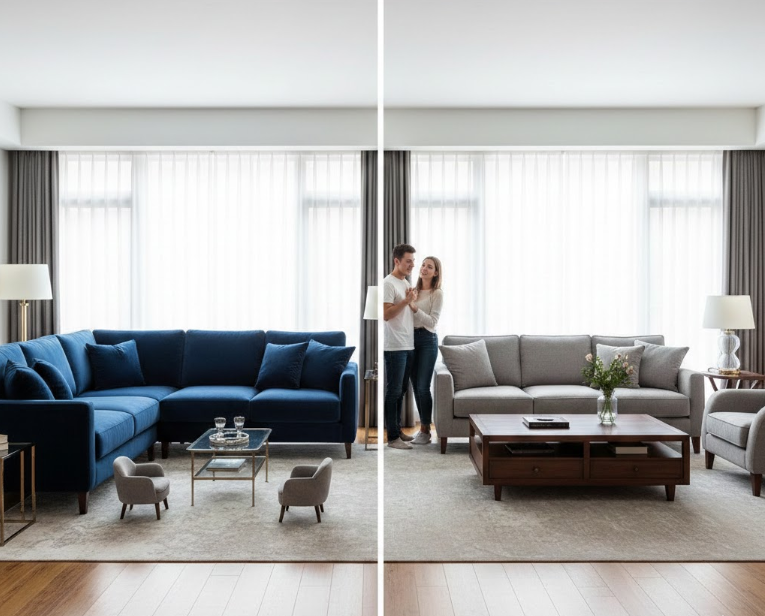
Not all furniture feels the same, even at the same size. Dark and solid pieces feel heavier. Light and open pieces feel easier on the eyes.
Here is how I think about it:
| Feature | Heavy Visual Weight | Light Visual Weight |
| Material | Dark wood, velvet, leather | Glass, acrylic, linen |
| Design | Solid bases, skirted bottoms | Tapered legs, open frames |
| Color | Black, navy, forest green | White, beige, soft gray |
When a room feels crowded, I reach for glass tables. You can see through them, so they almost disappear. It is like cheating the floor plan.
Measure Like You Do Not Trust Yourself
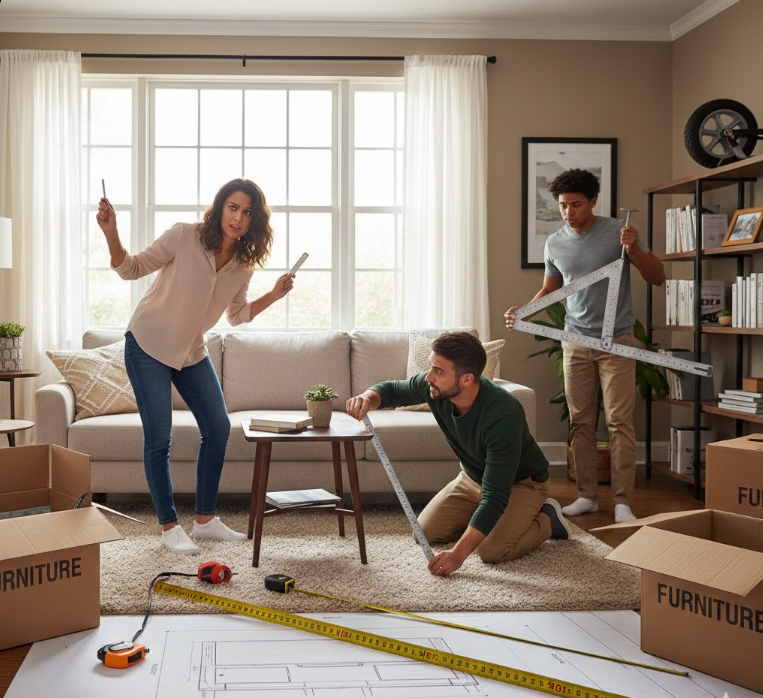
I never trust my eyes in a store. Showrooms are designed to lie. No walls. No doors. No context.
Here is my go to method.
- Clear the floor at home
- Tape the outline of the furniture with painter’s tape
- Walk around it for a full day
- Leave at least eighteen inches around key paths
The Relationship Between Rugs and Scale
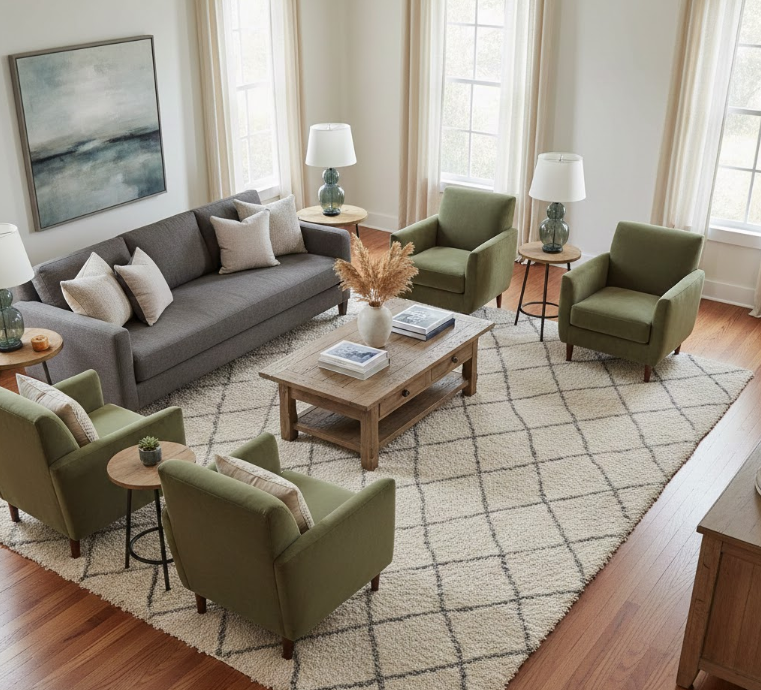
Let me vent for a second. Nothing ruins a living room faster than a tiny rug floating in the middle like a lost postage stamp. I see it all the time, and it hurts every time. A too-small rug makes a room feel cheap and disconnected, even if everything else is beautiful.
My rule is simple. The rug should be big enough that at least the front legs of every seat sit on it. When you do this, the room suddenly clicks. The furniture stops drifting around and starts having a conversation.
If the rug is too small, everything looks unsure of itself. Like it does not know where it belongs.
Dealing With Awkward Corners
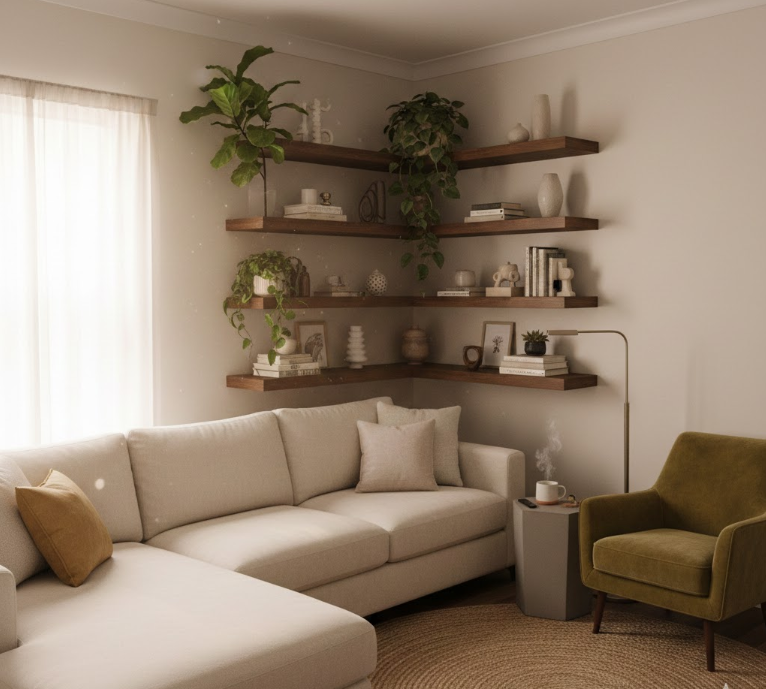
I used to think every corner needed fixing. A plant here. A chair there. Now I know better. Empty space is not a mistake. It is a design choice.
When you fill every inch, the room loses its sense of scale. Everything shrinks. The space feels tight and tired.
For strange corners, I pick one tall piece. A floor lamp. A slim sculpture. I keep the height close to the windows so it feels natural. Big, bulky furniture in corners just blocks the flow and turns the room into a box.
Proportions of Wall Art
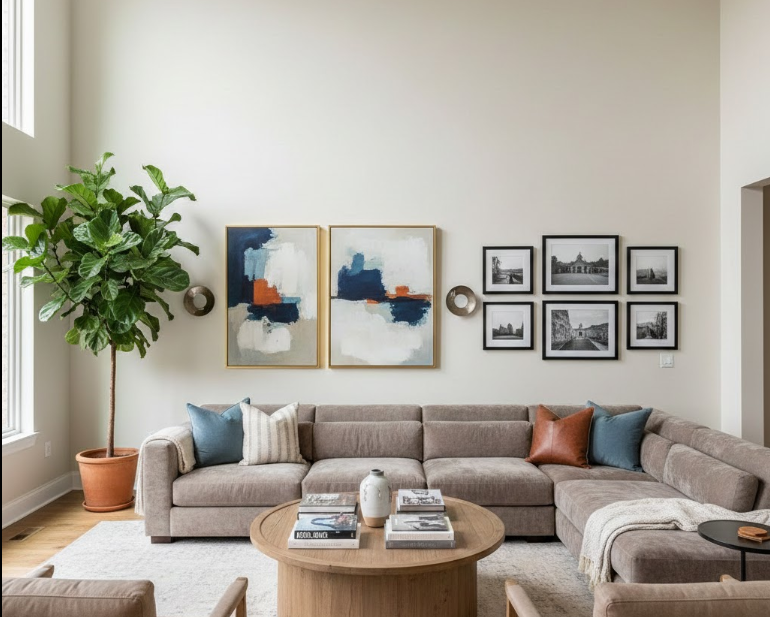
Tiny art on a big wall makes me sad. I see it and I want to help. Scale matters just as much for décor as it does for furniture.
Small art on a large wall looks lonely. Like a fly on a clean sheet. It pulls your eye for the wrong reason.
Above a sofa, I follow one easy rule. The art should fill about two thirds to three quarters of the sofa width. Too big feels heavy. Too small lets the sofa bully the wall.
Gallery Wall Tips
If you love smaller art, group it so it reads as one shape.
- Treat the group like one large piece
- Keep spacing even between frames
- Always use a level
- Hang the center around five feet seven inches
Crooked frames ruin scale faster than size ever will.
Balance Your Seating Groups
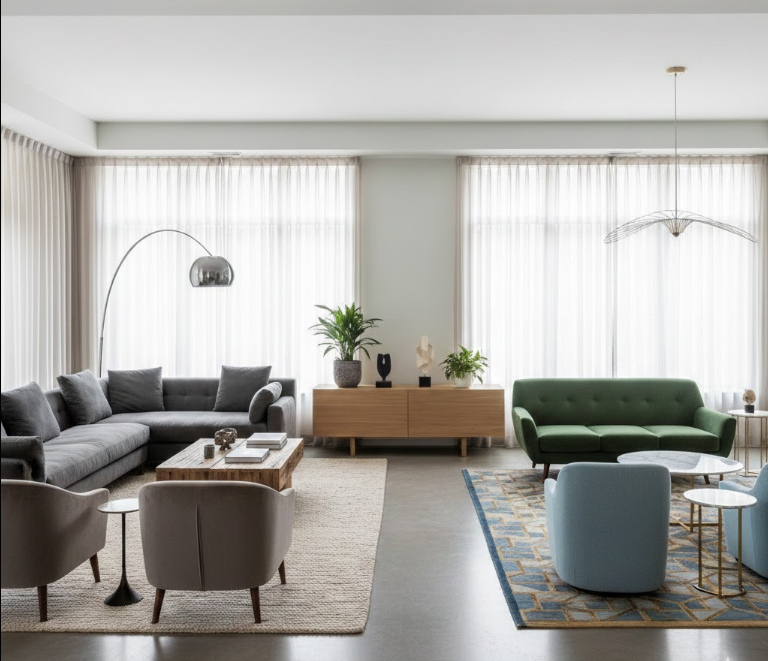
I never stack all the heavy furniture on one side of a room. That makes the space feel like it might tip over. A living room should feel balanced, not stressed.
I think of the room like a seesaw. If one side has a big sofa, the other side needs visual weight too. That might be two solid chairs, a shared table, or even a dark floor lamp.
Weight does not mean more furniture. It just means visual balance.
Negative Space Is a Tool
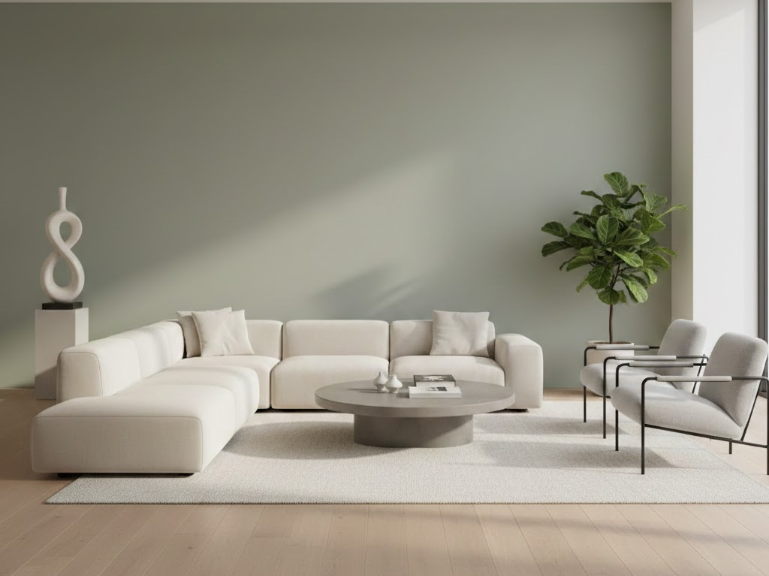
Empty space is not wasted space. It is breathing room. Your eyes need places to rest.
When furniture has space around it, it looks better. The scale feels calm and intentional. Everything gets to shine.
If you own one amazing chair, let it stand alone. Do not bury it in clutter. Space is just as real as wood or fabric, even if you cannot touch it.
Lighting and Scale
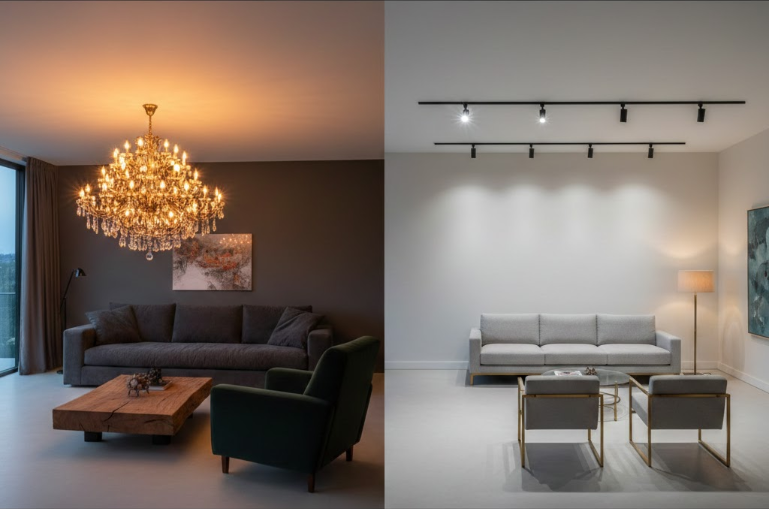
I see this mistake a lot. Lamps that are way too small. If a lamp looks like a toy next to a table, the scale is off.
A good rule is this. When you sit down, the bottom of the shade should land near eye level. That gives good light and looks right.
I also match the lamp base to the table weight. A thin lamp on a chunky table feels weak. Balance matters here too.
Chandelier Sizing Made Easy
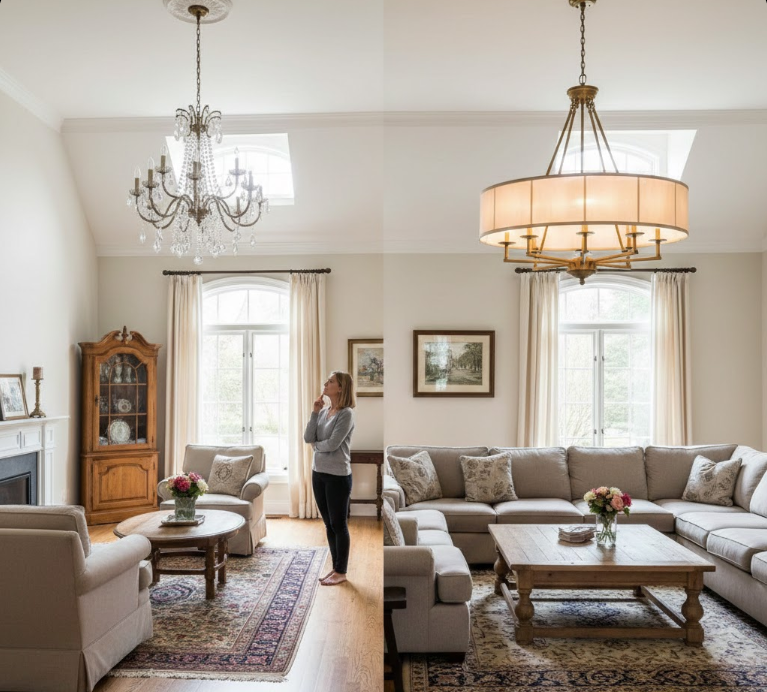
Here is the math I actually use:
- Add the room length and width in feet
- The total equals the light width in inches
For example, a 12 by 12 room needs about a 24 inch fixture. Hang it high enough so tall friends stay safe.
Final Thoughts on Choosing Pieces
I ignore sales if the size is wrong. A deal is not a deal if it breaks the room. I buy for real life, not for the one party a year.
If you live alone, you do not need a giant sofa. You need comfort that fits your daily rhythm. Good scale makes a room feel like it was made for you.
People are the true measuring stick. If furniture makes you feel tiny or awkward, something is off. Trust your gut. If a room feels tight, remove something. If it feels cold, go bigger. Once you understand scale, you are always in control.
.